Let me tell you about transforming your yard.
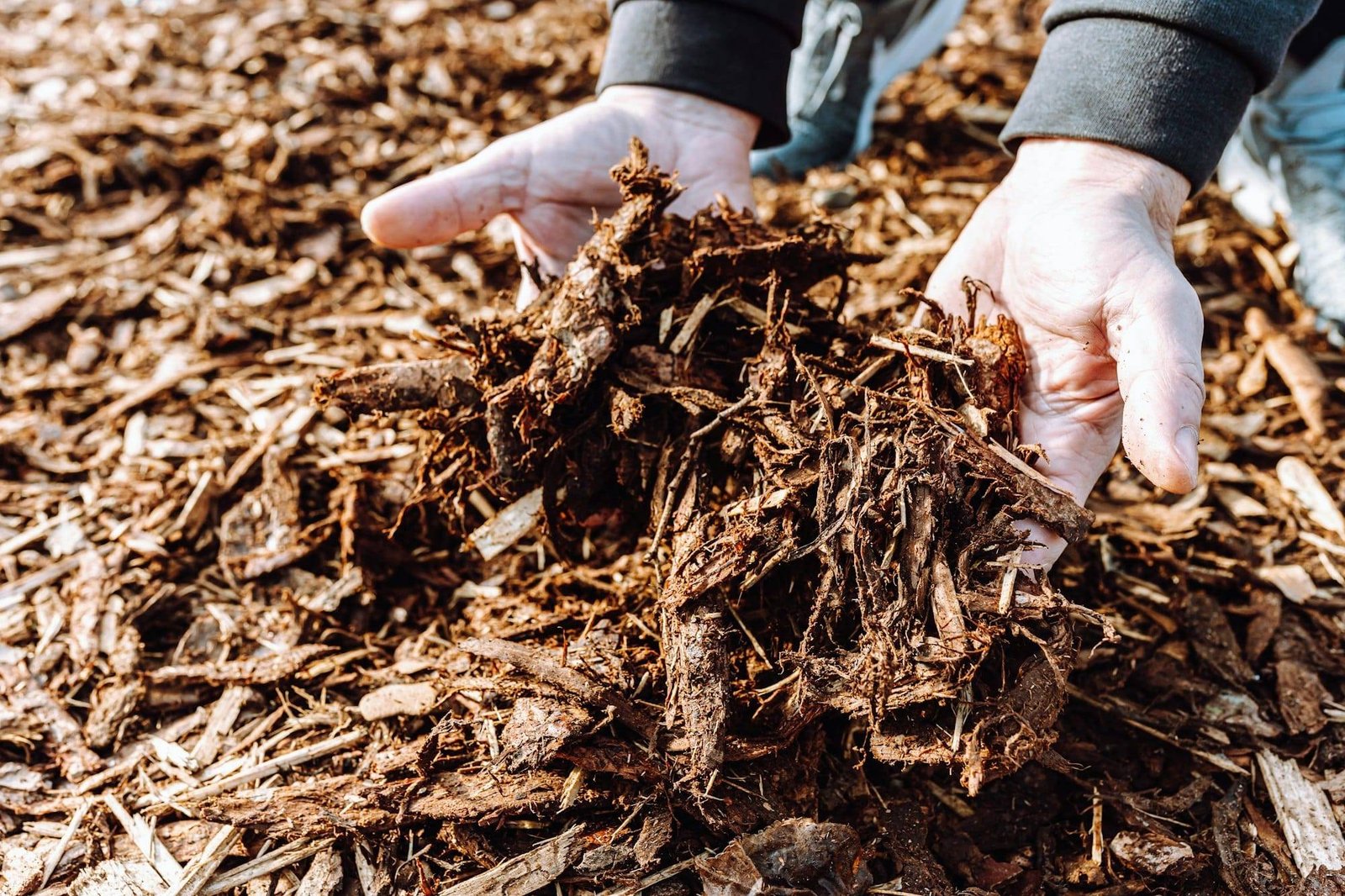
First off, smooth dirt is key — it stops water from gathering in spots. A soil test helps a lot too; it tells you what’s missing to make grass thrive. Find kits at the garden shop or ask county experts for tips.
Plus, mixing in stuff like compost feeds the earth and supports those tender roots right away. Don’t skip starter food made just for fresh sod—it gives that green carpet the boost to settle in snug.
Proper Ground Preparation Steps
First up, we clear out the old to make room for the new. Rip up any grass and yank weeds out. Next is making sure the dirt’s all flat.
You gotta rake it well so there are no dips or bumps where water can pool—no one wants a swampy lawn! It’s smart to get that soil tested too; hit up your local garden shop for a kit, or reach out to the county individuals who know about this stuff. The dirt’s story tells us what food it needs.
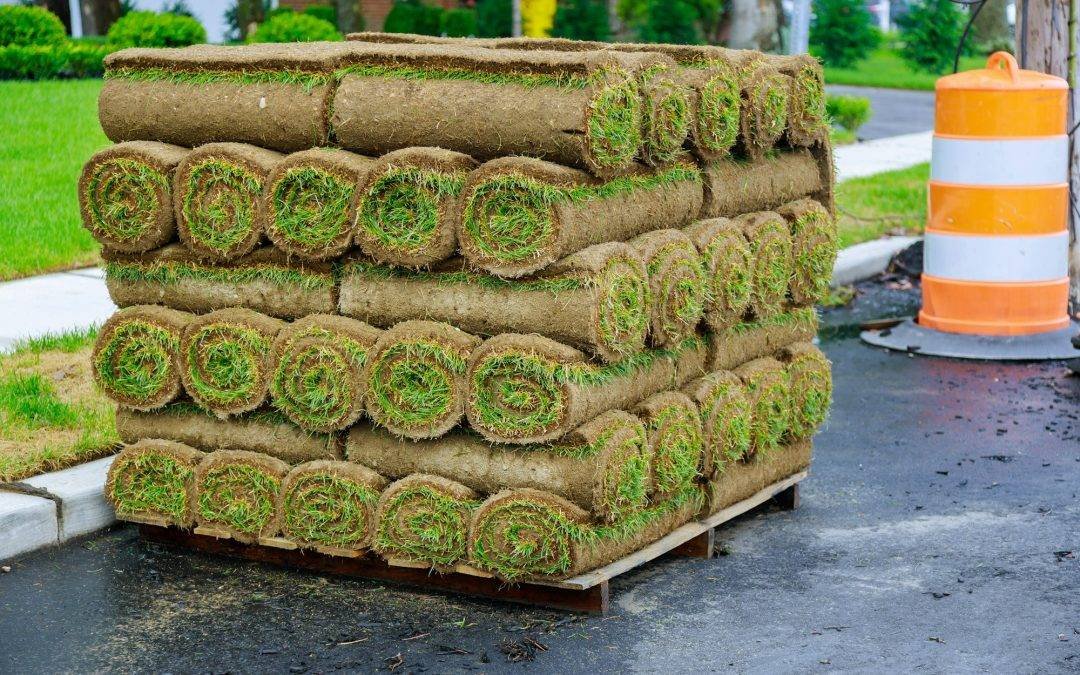
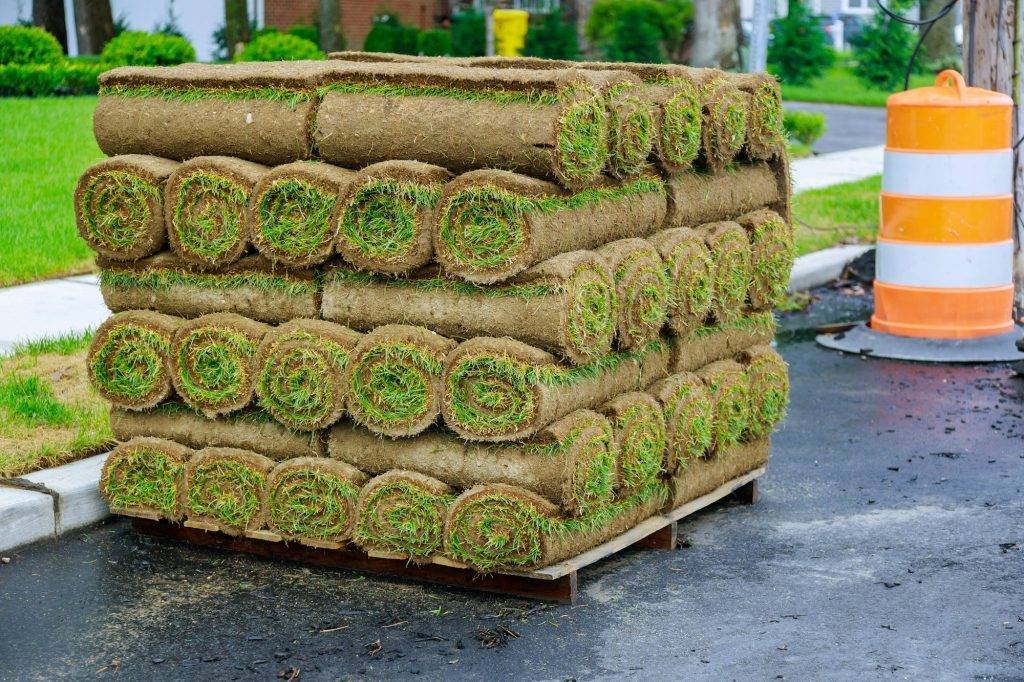
If you mix in goodies like compost before laying down your sod squares, those roots will thank you later by growing deep and strong—just what young grass loves! And hey, don’t forget starter fertilizer packed with nutrients—it gives that fresh green carpet a great kick-off. Remember now: Sod’s got just hours of life on hot days before going kaput but lasts longer when chilly outside—keep ’em moist either way though.
When you’re ready, lay them side by side nice and straight then stagger each row like bricks—that secures them tight together while they take root in their new home. Once laid down snugly into its rich bed. This bit of care early on helps ensure your beautiful greensward gets real cozy fast—a happy start towards lasting health with less need for extra fussing later… including fertilizing once settled-in right good n’ proper.
Efficient Watering Techniques for Sod

Right after I lay down new sod, deep watering is key. You’ve got to soak it so that water hits 6 inches deep into the dirt. This step’s big; skip it and roots won’t grow well, leaving your grass weak.
For two weeks post-installation, you’re aiming for a balance: keep it moist but not drenched by breaking up watering throughout each day—aim for twice to four times daily depending on how dry things are looking. Once past this stage (say around week three or four), ease off the frequency of those sprinkler sessions but make them longer when you do water. It’s about helping those young blades dig their roots in deeper—it sets them up right for rough patches ahead.
Morning’s best for getting that precious H2O down without losing too much to evaporation under hot sunlight—and try not to get caught out ending late in the evening as fungus loves damp overnight conditions. And remember people—if lush green lawns fast is what you’re chasing, just give us a holler here at JandC Lawn Care!
Mowing New Sod Correctly
Right, let’s talk about mowing your new sod the right way. Check on those little white roots before you start. If they hold firm when you tug, that means it’s time to mow—usually two weeks after laying down the sod.
Set your mower high; we’re only snipping the tops here. This lets your grass spread out sideways and stitch itself into a tight carpet of green. Now listen up—if chunks come loose as you cut, stop!
Those roots need more time to grip deep into dirt for strength. Patience pays off with lawns people admire from their kitchen windows every morning while sipping coffee. Mower height matters because tall settings encourage growth broadways not upwards which is what we want: A smooth lawn meshing together piece by piece like some kind of living puzzle.
Don’t wait too long either or else cutting might stress out young sprouts—they hate losing big leaf chunks since that messes with their sun-catching abilities (that’s photosynthesis). Feed ’em well with good stuff. Focus on phosphorus for strong root work, plus potassium and carbon in smaller dashes.
Fertilizing Your Fresh Lawn Carefully
So, let’s talk about getting your fresh sod the nutrients it needs. You’ve laid down that rich layer of compost and mixed soil before rolling out the green carpet; good job there! Now, you want those roots to dig deep and hold tight.
After setting in your new grass blanket, grab a gentle fertilizer for starters – not too strong now – because baby grass has tender roots. Water this ground well but don’t turn it into a mud pit. A soft shower will do just fine so that when you sprinkle on the feed, moisture helps take it right down where needed.
Aim for one with high phosphorus content – Phosphorus is crucial at this stage as it’ll help establish firm root systems quicker than saying ‘lush lawn’. Remember though: Don’t go stomping around on that wet sod while doing all this; treat her gently till she’s ready for her first haircut after growing up nice and tall (but we’re not talking mowing today). Keep an eye out during these early days – overwatering can drown those precious sprouts or bring diseases knocking at their doorsteps.
With care like this from day one? Your lawn will be more welcoming than home plate at a baseball game soon enough!
Monitoring and Treating Pests Early

After putting down new sod, keep a close eye for pests. These bugs or worms can hurt your grass before it’s strong. As soon as you lay the sod, start watching for these tiny troublemakers.
Look out for brown patches or wilting; these are signs that pests might be there. Treating them fast means a better chance to save the lawn. Use gentle products that won’t harm your young grass but will still get rid of those pesky insects.
It’s smart to use liquid feeds on fresh lawns too. They reach roots deep down in the soil and give nutrients straight where needed most—this helps make sure roots grow thick and healthy under your new green space. Lastly, don’t cut corners when mowing first starts after fourteen days from laying it down —set blades high up!
We want no harm coming to tender shoots at this phase.
After laying new sod, keeping it moist is key; water daily for a week. Make sure the soil beneath matches your grass type’s needs; proper soil sets the stage for roots to grow deep and strong. Avoid walking on fresh sod until its roots have established.
This could take up to two weeks or more but patience pays off with lush green turf underfoot! Lastly, give your lawn nutrients—start fertilizing about six weeks post-installation—and choose eco-friendly options from Elders Lawn Care that enrich your grass while protecting our precious planet.
References:
https://lawnlove.com/blog/how-to-install-sod/
https://jandclawncare.com/blog/follow-this-watering-schedule-for-your-newly-installed-sod-/
https://sodsolutions.com/technology-equipment/when-to-mow-newly-installed-sod/
https://thegrassoutlet.com/new-sod-care-timeline-when-how-to-water-mow-and-fertilize/
https://www.mid-southirrigation.com/blog/posts/guide-to-new-sod