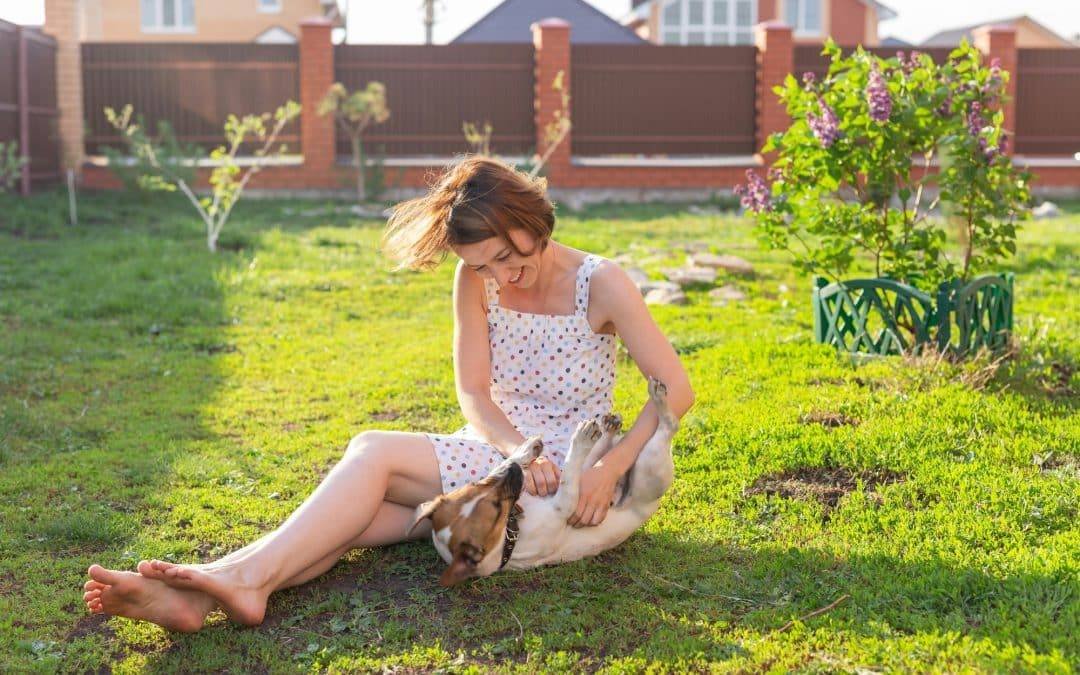
Want a yard free from pests? Preventing fleas in pets is a great start. Putting space between mulch and your house’s foundation. Remember, rock or gravel works great here.
Avoid leaving the earth bare too; ground-nesting wasps could move in otherwise. Don’t let water stand still either—mosquitoes love that stuff! Keep those gutters clean to stop them breeding right above you.
And hey, mow your lawn regularly; tall grass is a tick’s best friend. Now about fleas on pets – treat both home and furry friends together so they’re not hopping back and forth!
Understanding Yard Pests
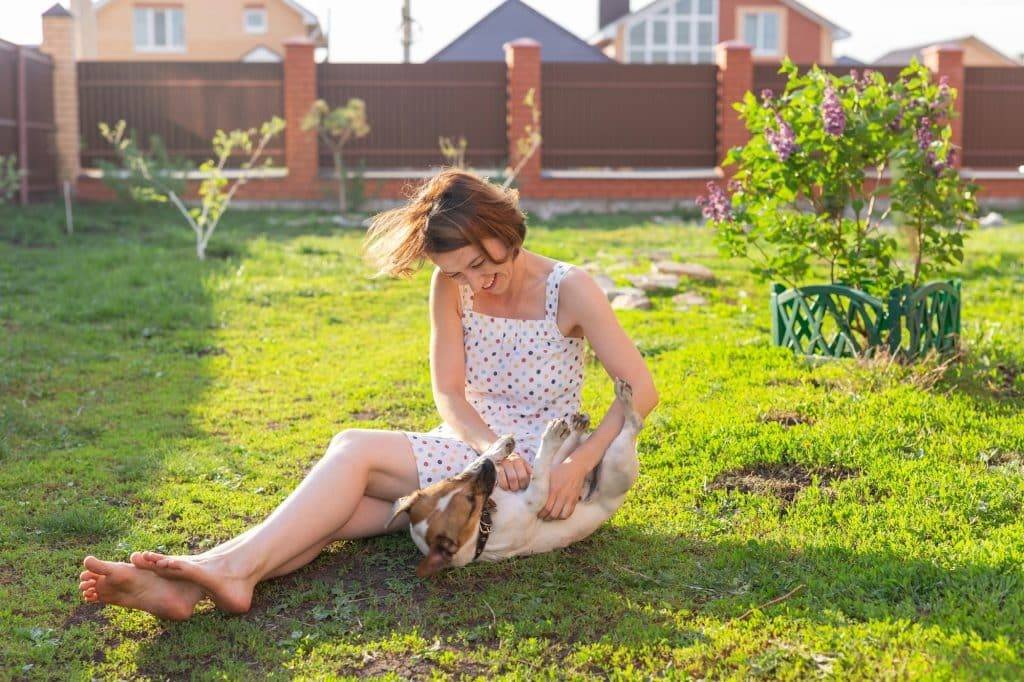
As a seasoned landscaper, I often spot yard pests that trouble homeowners and their furry friends. Grass fleas are tiny but can make your pet’s life hard. They jump from the grass onto pets, causing itchiness or worse—health issues.
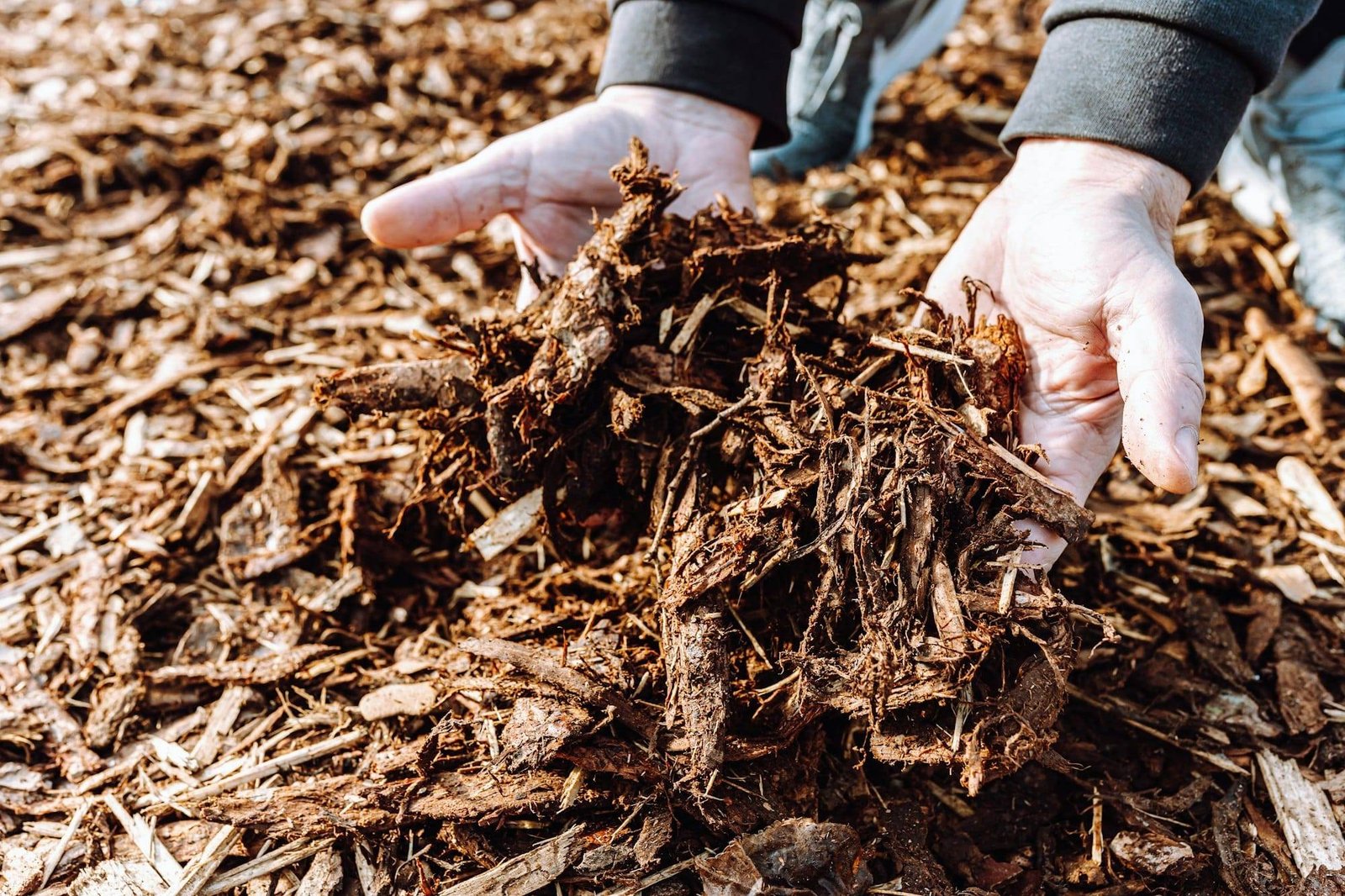
To stop this cycle of discomfort for our beloved animals, we need to act. Mulch keeps soil moist which is good for plants but bad if too close to homes; it leads mice straight into houses! Keep mulch back 12 inches at least—it’s also wise not to leave dirt bare since yellow jackets could settle there.
Water pooled in gutters draws mosquitoes looking to breed. Clean those gutters out! Don’t let water collect in toys or birdbaths either—a running water feature is best because stagnation invites mosquitos around.
A neat lawn cuts down on tick hiding spots as well as paths for other pests inside your home space through overgrown branches. Planting pest-hating herbs adds protection and looks great – think basil against flies or lavender warding off moths! And remember: Flea troubles within the home often start outside with infestations taking hold among tall weeds and untrimmed garden areas where pets may roam freely before bringing these unwanted guests indoors on their fur.
Combatting Grass Fleas Naturally
To keep fleas out of your grass, think natural first. Cedar mulch works great for this. Spread it around where your pets hang out and along the yard’s edges—it keeps bugs away and looks good too!
Staying clean is key as well; when you clear old wood, leaves, or stones from the lawn regularly, fleas can’t settle in easily. Sometimes pests sneak by our best tricks though. If that happens, a pet-safe pesticide might be needed to guard their favorite spots outside.
Yet if those tiny jumpers are already on Fido or Whiskers despite all that—see your vet quick for some strong flea meds!
Regular Lawn Maintenance Essentials
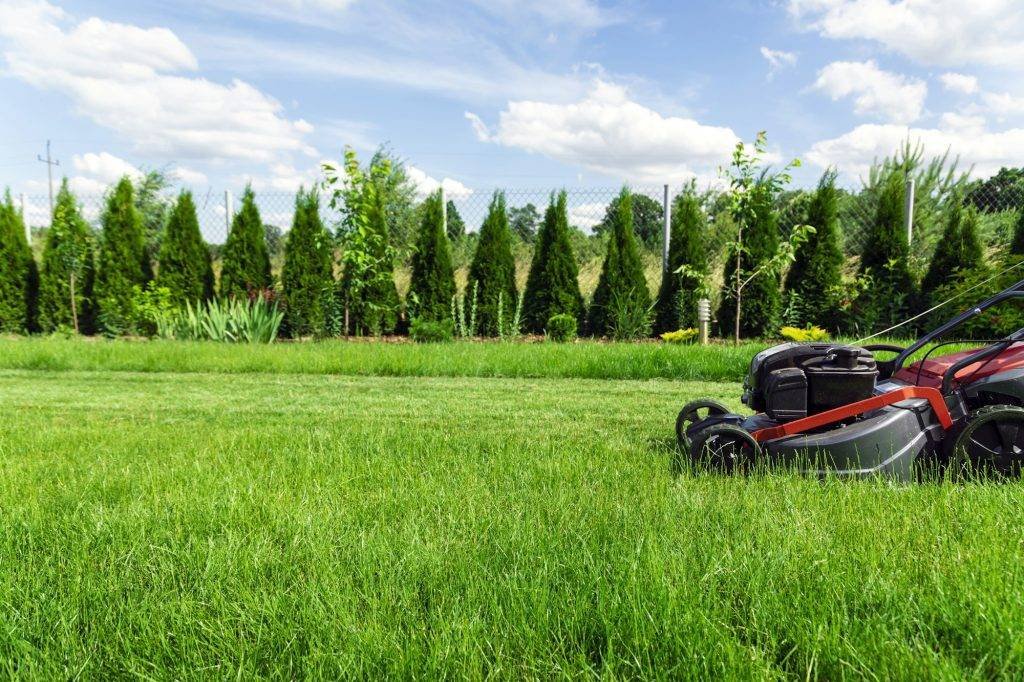
In our fight against yard pests, like grass fleas, we start with the basics. I make sure to mow lawns on a schedule that fits each grass type’s needs – this keeps it not too long and healthy. A neat lawn stops flea homes from forming near your pets’ favorite spots.
Next up is watering right: good soaks less often to help roots dig deep but no pools where bugs love to gather. Drainage checks follow – no soaked soil wanted here! Weeds draw in pests big time; pulling them out or using safe sprays keeps those unwanted guests away.
Last step: inspecting every bit of green for early pest signs saves heaps of trouble later on. Quick fixes at first nibble mean fewer chemicals needed down the line. There you have it—a simple plan that sticks by smart lawn care steps can really put off pesky critters without harming our furry pals or Mother Earth one bit.
Pet-Friendly Pest Control Methods
Fighting fleas starts with knowing their life stages: egg, larva, pupa, adult. These bugs love warm spots and can lay 50 eggs daily. They hitch on pets but also stay in grass or furniture outside.
Here’s my pro tip: keep your lawn short and bushes neat; it cuts down tick hangouts big time. Put up a fence to block deer that might bring more ticks or fleas into your space. Lay cedar mulch around the yard’s edge – it keeps those pests away naturally.
Think about adding nematodes to eat flea larvae or sprinkle diatomaceous earth where your pet lounges—it dries out fleas good without chemicals. For pups’ safety use vet-approved preventatives all year long—those tiny bites aren’t just annoying; they’re risky too! Keep checking them after outdoor fun times for any unwanted riders!
By mixing smart gardening with non-toxic pest methods you’ll shield both furry friends and family from these biting foes.
Eliminate Standing Water Sources
To keep your yard free from pests, you gotta deal with standing water. See, rain’s good for the grass but not when it fills up stuff left outside like buckets or wheelbarrows. I’ve done it myself – leave a weeding bucket out only to find it’s turned into a mini pool later.
Now gutters and drains are sneaky; they clog quietly until one day you got yourself a swamp hanging off the roof! Oh, and small ponds or birdbaths? Without proper care they’re just party spots for bugs.
And here’s another kicker – uneven ground in your garden can make puddles where none should be. My own lawn had places that’d trap water without some help getting things level again. Look at what happens if this goes unchecked: Mosquitoes go crazy over stagnant pools because their little ones grow there—trouble is spelled right there!
Bacteria aren’t far behind either; rodents drop by for sips leaving nasty germs like Leptospira behind which nobody wants near kids or dogs playing around these puddles. Algae too love neglecting old waters cozy enough to settle down and multiply turning clear patches green before you know it. Keep an eye on those potential wet traps individuals—it’ll save trouble so let’s nip them in the bud whenever possible!
Introducing Beneficial Insects
Here’s a fact I’ve learned on the job: not all insects are bad for your yard. In fact, most of them play key roles in keeping things balanced. These good bugs eat other pests or pollinate plants.
Think bees or ladybugs – they’re hard at work for our gardens! They follow a natural order where some feed on others; it’s nature’s pest control. We need to let these tiny soldiers do their thing without interference from us – especially when using chemicals that could hurt them more than the pests we aim to kill.
So how do you attract helpers like these? Simple: go green with your garden care choices and pick plants native to our area—they’re what beneficial bugs prefer. Also, mix up plant types and sizes for variety; this will invite different helpful critters into your space.
Remember, flowers should bloom through seasons so pollen is always there as food—cluster similar ones together too—it helps insect friends find meals easier! By respecting Mother Nature’s design, creating diversity in flora and ditching pesticides, we can make an eco-friendly haven right in our backyards that keeps fleas off Fido naturally.
Choosing the Right Fertilizers
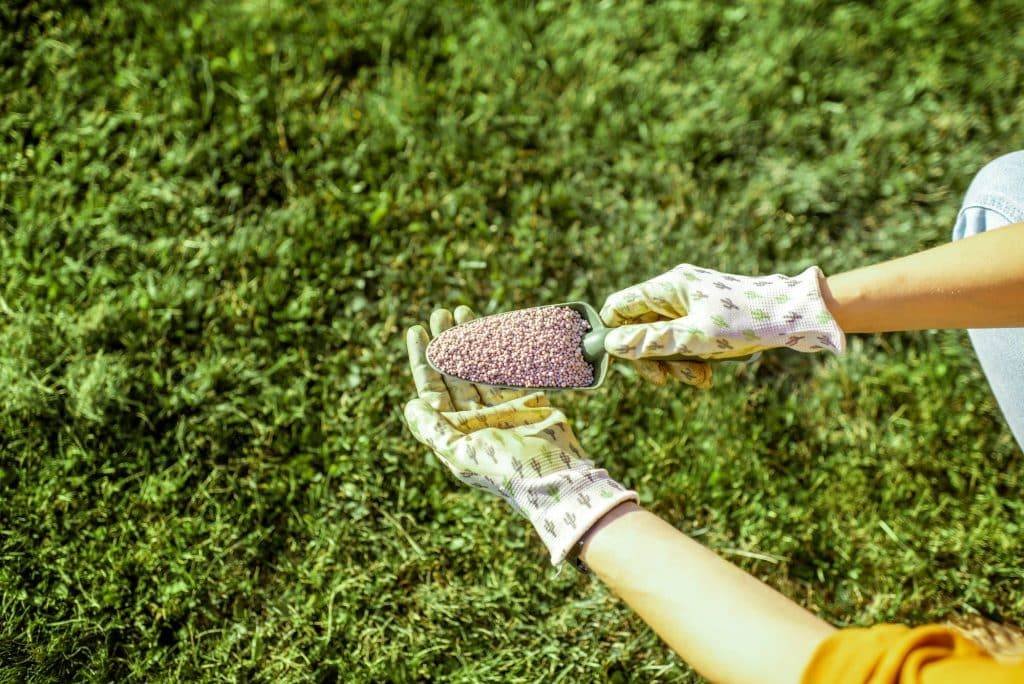
When picking fertilizers, consider what your yard needs. Grass fleas in pets can hint at poor lawn health—weak soil might let pests thrive. For a strong garden and less flea trouble for our furry friends, use the right nutrients.
Look closely at your plants’ leaves. Do they seem dull or weak? It could mean they lack key food like nitrogen or potassium.
Add a granular type to feed them slowly over time; it’s great for shrubs too. Test your soil first—a must! This way you know exactly which fertilizer suits best without guessing!
Remember: proper feeding makes not just lush grass but also happy pets by keeping those nasty fleas away.
Incorporating Native Plants
Native plants are key to a pest-free yard. They withstand local bugs well, having grown tough over long years. Like milkweed oozes goo that bad critters hate; some trees push out bitter stuff stopping bug babies from growing big.
These homegrown greens have their own insect pals too — they’ve been living together for ages! Pop in lots of different native plants and you shake up those pests’ world, making it real hard for them to settle down. Planting these locals pulls in good insects like ladybugs which munch on aphids by the handfuls.
Birds and bats make homes among natives as well – nature’s very own pest cleanup crew. So why not choose butterfly milkweed or bee balm? Both shun most gnawers while inviting helpful flyers like butterflies and bees into your garden space—which is better than using harsh sprays that hurt more than just pesky fleas.
Flea Repellent Garden Strategies
In my years of green thumb work, I’ve tackled flea troubles head-on. These tiny jumpers thrive in warm spots and don’t just bug pets – they’ll bite us too! Look for your buddy scratching more or find small black specks where they nap; that’s flea dirt.
If you spot these signs, act fast. Each day fleas can lay 50 eggs! Keep your pet on regular treatments to stop fleas cold.
This step is key – it keeps those pesky insects from making a home in their fur and then hopping over into our yards. Remember: quick action means less itching for everyone at home!
Year-Round Pest Management Schedule
In my years of green work, I’ve learned a trick or two. To keep bugs away, choose tough plants like marigolds; they scare off the worms and critters that eat your greens. Planting garlic helps too—aphids and beetles stay clear of it.
Mix up these strong plants in your garden to fight pests better. We need good yard care as well—to stop fleas from bugging our furry friends. Cut grass often but not too short—it keeps ticks and fleas at bay without hurting helpful bug pals.
Invite birds and bats over by setting up houses for them—they munch on insects you don’t want around! Remember: no harsh bug sprays—they harm the good ones we need like ladybugs who gulp down thousands of aphids. Keep thinking about how all parts of nature fit together, right?
Well, lacewings help out here as well eating lots more than just aphids! Properly caring for the earth means sticking with this plan year-round—a mix-up in seasons demands different ways to protect our growing spaces naturally without reaching for those chemicals that do more harm than good.
Safe DIY Pest Treatments
In my years tending lawns, I found safe ways to keep pests away. Sun helps plants grow strong and pest-free; they need six hours of light at least. Keep your garden spaced out – tight spots let bugs move easy from plant to plant, so give them room.
Always pick healthy young plants without bugs or weak stems. Sickly ones just can’t fight off fleas well—they’re like a welcome mat for trouble. Be sure to pick veggies often too—big harvests hide critters and stop air flow which keeps plants happy.
If you must spray, do it right: use water first early or late in the day—that knocks most pests off before more come by.
Managing a yard free of pests is manageable with steady effort. First, keep your grass cut short and remove weeds often; this denies bugs a place to hide. Make sure you clear any standing water to prevent mosquitoes breeding there.
Planting pest-repelling flowers like marigolds helps too. Remember, if the problem gets tough, calling professionals from Elders Lawn Care can make all the difference – we use eco-friendly solutions so both your lawn and conscience stay green! Stick with these steps for a beautiful, bug-free outdoor space.
References:
https://www.realtyexecutives.com/office/midwest/blog/7-ways-to-make-your-yard-home-a-bug-free-zone
https://www.yourgreenpal.com/blog/how-to-treat-for-fleas-in-the-yard
https://edenapp.com/blog/a-pest-free-lawn-with-routine-maintenance/
https://tomahawk-power.com/blogs/articles/the-ultimate-guide-to-a-flea-and-tick-free-yard-strategies-for-pet-owners
https://www.motherearthnews.com/homesteading-and-livestock/eliminate-standing-water-zbcz1906/
https://haltonmastergardeners.com/2020/04/10/how-to-attract-beneficial-insects-to-the-garden/
https://extension.unh.edu/blog/2021/05/choosing-using-fertilizers-yard-garden-audio
https://gardenforwildlife.com/blogs/learning-center/guardians-of-your-garden-how-native-plants-help-control-pests-and-diseases-while-nurturing-wildlif
https://worldclasswildliferemoval.com/wildlife-blog/the-guide-to-embracing-a-flea-free-lifestyle-flea-pest-control-in-florida
https://www.ecopest-supply.com/blogs/news/tips-for-your-pest-free-garden-oasis
https://www.lumina.com.ph/news-and-blogs/blogs/diy-pest-control-for-homeowners-home-gardening-tips/