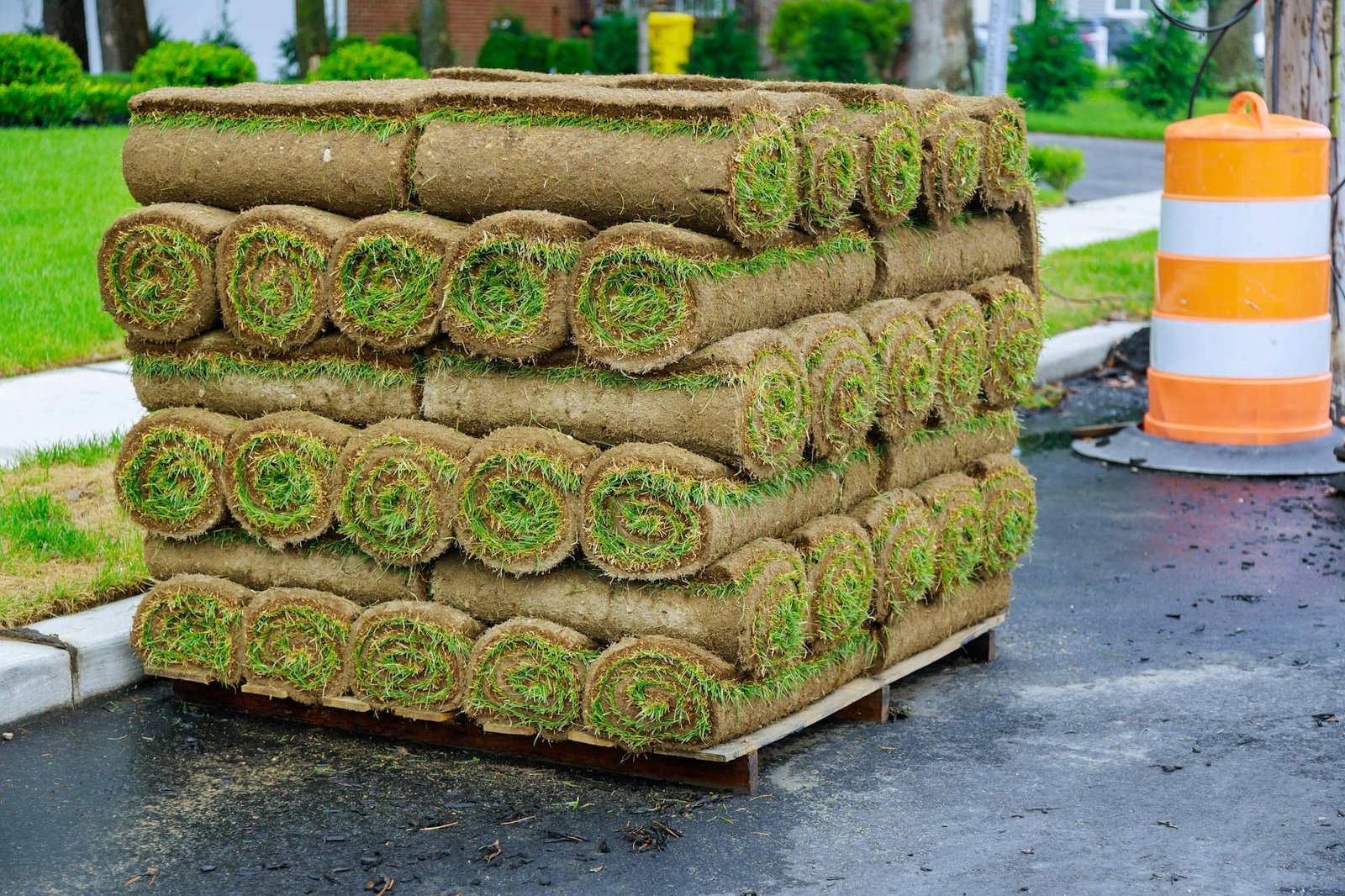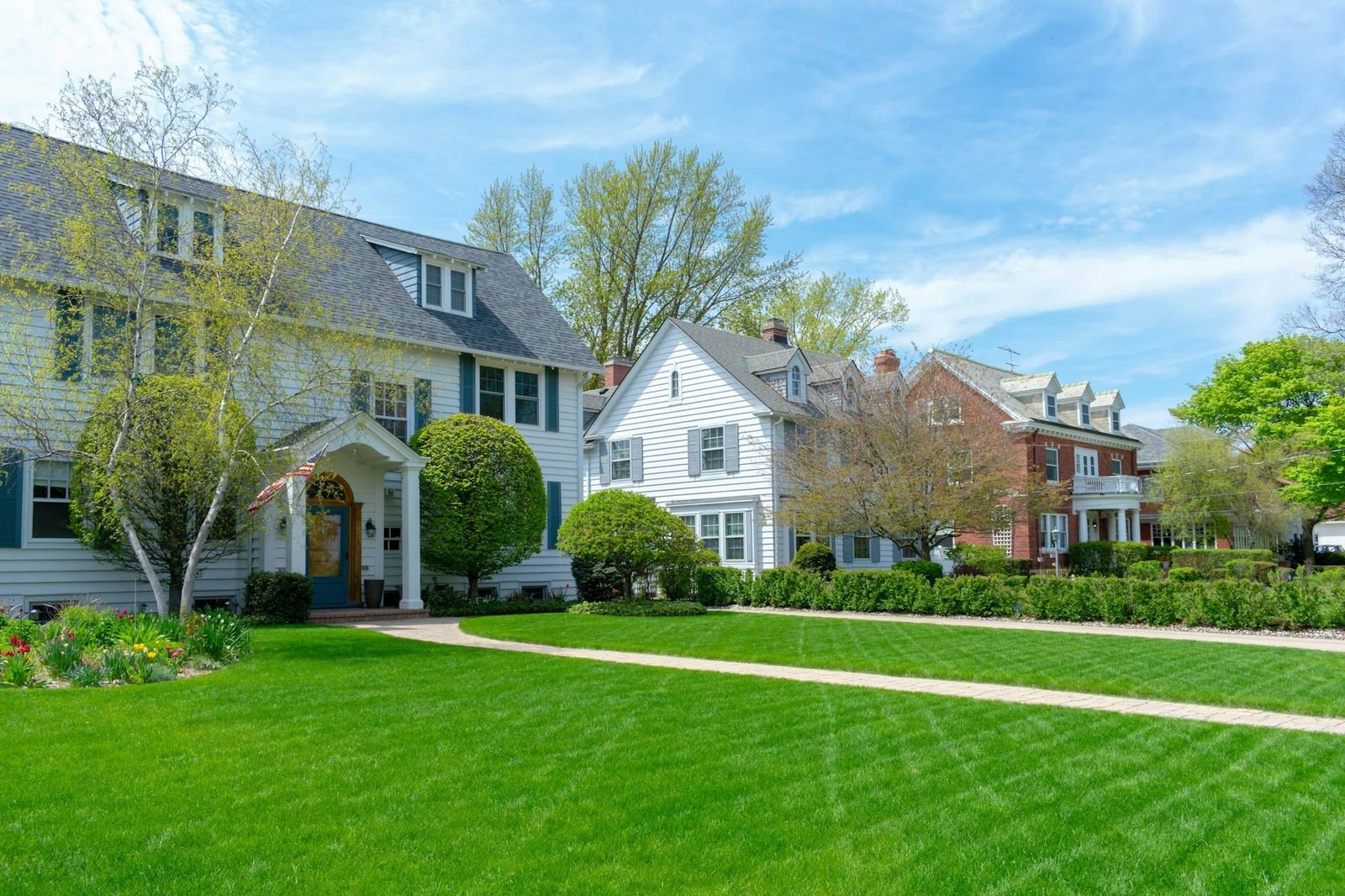
Transform your New Jersey property using sustainable landscaping solutions. Our expert guide leads you from concept to creation, crafting lush, eco-friendly outdoor spaces. We specialize in native plants that thrive locally and use organic fertilizers for healthier growth.
With our professional mulching services and tailored lawn care strategies, we ensure year-round vibrancy. Whether it’s selecting the right plants or integrating hardscape features like patios and pathways, our team commits to enhancing both beauty and functionality of your landscape.
Unlock Sustainable Landscaping Tips
In my years of landscaping, I emphasize using native plants and organic fertilizers. These choices ensure your New Jersey lawn remains vibrant while being low-maintenance. Imagine less watering, fewer chemicals—all contributing to a healthier local ecosystem.
In addition, proper mulching can help conserve soil moisture and prevent weeds naturally. For anyone in Netcong or surrounding areas looking for sustainable ways to care for their property, these tips are invaluable.
Choosing Native Plants for NJ
Selecting native plants for your New Jersey landscape matters greatly. As a landscaper, I guide my clients to choose species that harmonize with their property’s aesthetics while ensuring these plants thrive in our local environment. Opting for indigenous plant life not only enhances visual appeal but also supports environmental sustainability and reduces maintenance needs.
Benefits of Organic Fertilizers
Organic fertilizers boost soil health, promote robust microbial activity, and reduce environmental risks. They offer a safer approach to nurturing lawns effectively.
Eco-friendly Lawn Care Methods
Using electric mowers in place of gas-powered alternatives reduces carbon emissions substantially. Setting mower blades higher promotes deeper root growth, enhancing grass resilience against drought and pests. Leaving cut grass on the lawn recycles nutrients back into the soil, diminishing fertilizer requirements.
Employing organic compost as a natural fertilizer prevents chemical runoff and enriches dirt without waste issues. To conserve water effectively, irrigate lawns early morning or late evening to minimize evaporation loss. Collection systems like rain barrels maximize utilization of nature’s resources by gathering rainwater for garden use.
Employ Integrated Pest Management (IPM) techniques focused on eco-friendly pest control and monitoring. This minimizes harmful chemicals while promoting an environmentally responsible approach targeting significant infestations only using natural solutions when necessary. Incorporate native vegetation for healthier ecosystems.
This supports local wildlife, including pollinators such as bees and butterflies. Encourage biodiversity with small habitats like wildflower patches and log piles. This adds ecological value to your property.
Aerate regularly to uncompact soil. This allows essential elements like air and water to penetrate more efficiently. Soil testing provides valuable insights into pH and nutrient content.
Adjustments can be made with the addition of organic matter, improving overall quality and structure for vigorous plant development.
Introduction to Mulching Services
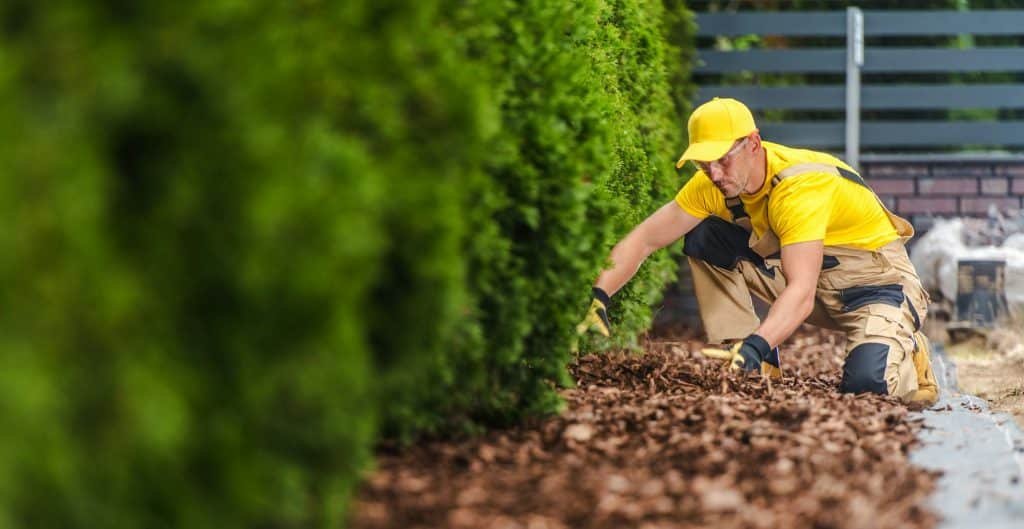
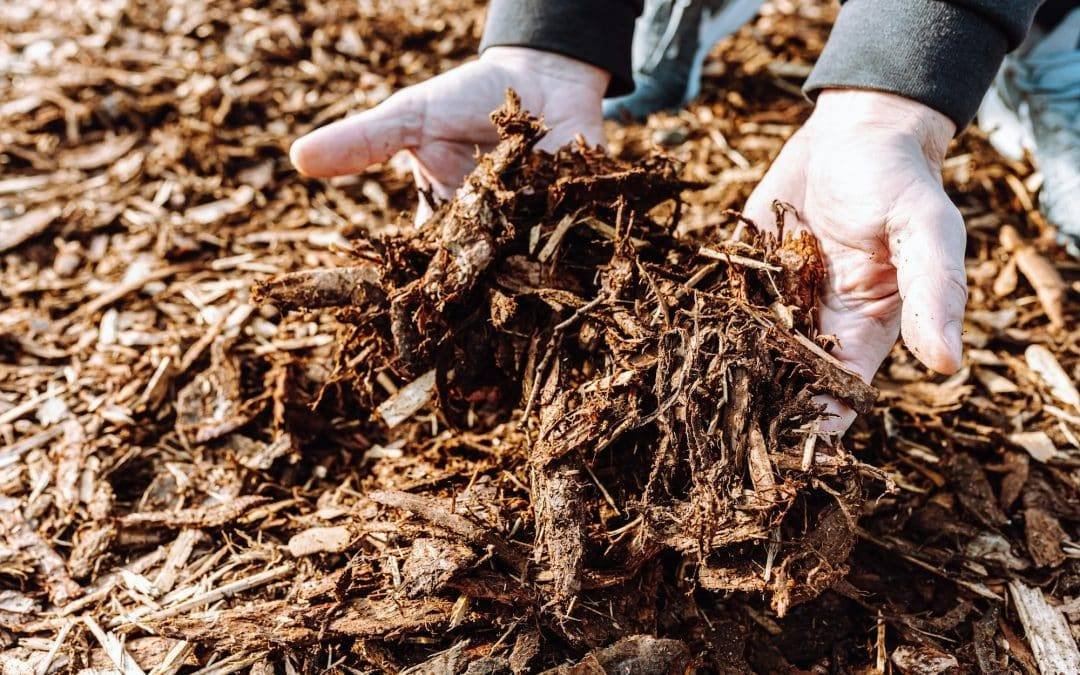
Mulching services enrich soil, retain moisture, and suppress weeds around plants. Boosting aesthetics is another benefit of proper mulch application on properties.
Water Conservation Techniques in Gardening
Incorporate drought-resistant plants like coneflowers and sedums. These need less water, keeping your garden lush while conserving resources. Additionally, invest in mulching to retain soil moisture longer; it reduces the frequency of watering needed by creating a barrier against evaporation.
Furthermore, set up drip irrigation or soaker hoses for efficient watering directly at plant roots which minimizes waste. Also consider capturing rainwater with barrels; this not only saves tap water but provides your plants with chemical-free hydration.
Building a Pollinator-Friendly Yard
To build a pollinator-friendly yard, plant native species that attract and nourish butterflies. Avoid pesticides to ensure their safe habitat development. Install birdbaths for water sources; they invite songbirds while supporting ecological balance in New Jersey gardens.
Soil Health Improvement Strategies
To improve soil health, I regularly integrate organic compost into the earth. This enriches it with nutrients and enhances its structure for better plant growth.
Seasonal Guide to Planting in NJ
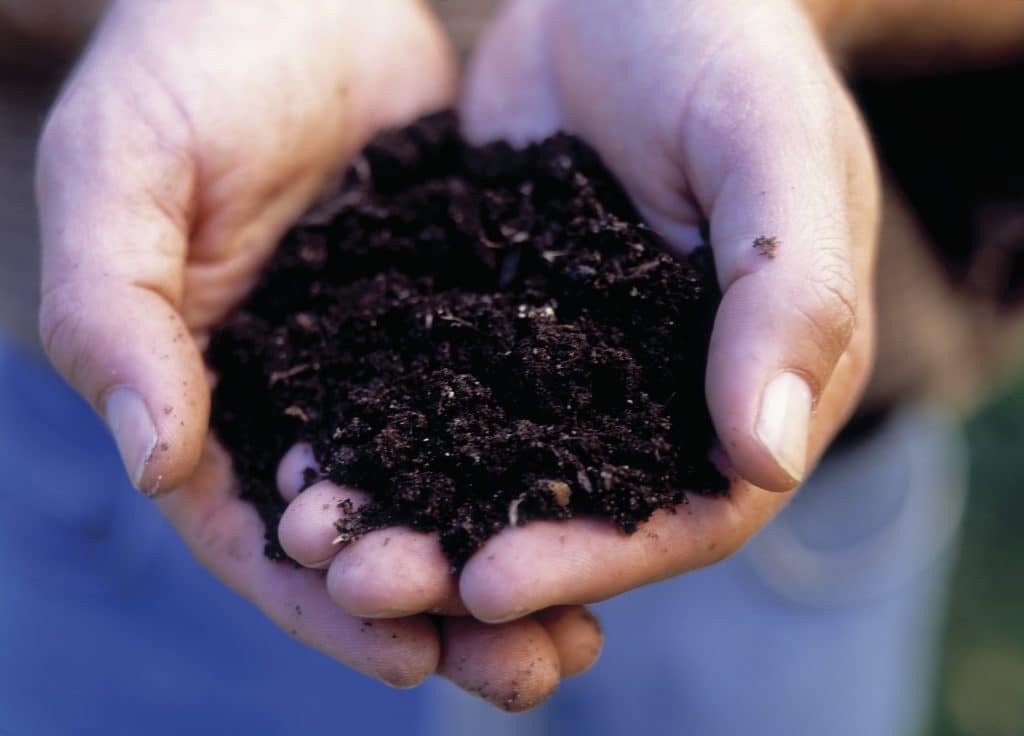
In planting your garden, consider the local climate. Start with deer-resistant species like lavender to keep pests at bay. Water deeply and regularly for strong root growth; morning is optimal to prevent mold issues on foliage.
For personalized advice or specific plant recommendations, visit a nearby gardening center where experts can guide you based on New Jersey’s regional conditions.
Composting Essentials for Homeowners
Composting requires a balance of greens and browns for proper decomposition. Turning the pile regularly aerates it, preventing odors and aiding breakdown. This process yields nutrient-rich soil, enhancing water retention and reducing landfill waste. Educating clients on composting basics has helped transform properties sustainably at Elders Lawn Care in Netcong.
Designing Drought-Resistant Gardens
When creating drought-resistant gardens in NJ, choose native plants that require little water and use rain gardens to manage runoff effectively. This sustainable approach reduces irrigation needs and supports local ecosystems.
Sustainable Hardscaping Options
Sustainable hardscaping involves using materials that minimize environmental impact. Options like recycled pavers and permeable concrete reduce runoff, aiding groundwater recharge. Choose local stones to decrease transport emissions.
Innovative Irrigation Solutions
Innovative irrigation solutions involve installing drip systems and soaker hoses that target roots directly, reducing water waste. Timers and rain sensors enhance efficiency further.
Pest Management the Natural Way
To control pests naturally, I use beneficial insects like ladybugs and mechanical methods like handpicking and traps. Organic pesticides like neem oil target specific pests without harming beneficial species, maintaining a healthy ecosystem. Simplifying sustainable landscaping practices for New Jersey homeowners.
Landscape Designs that Save Water
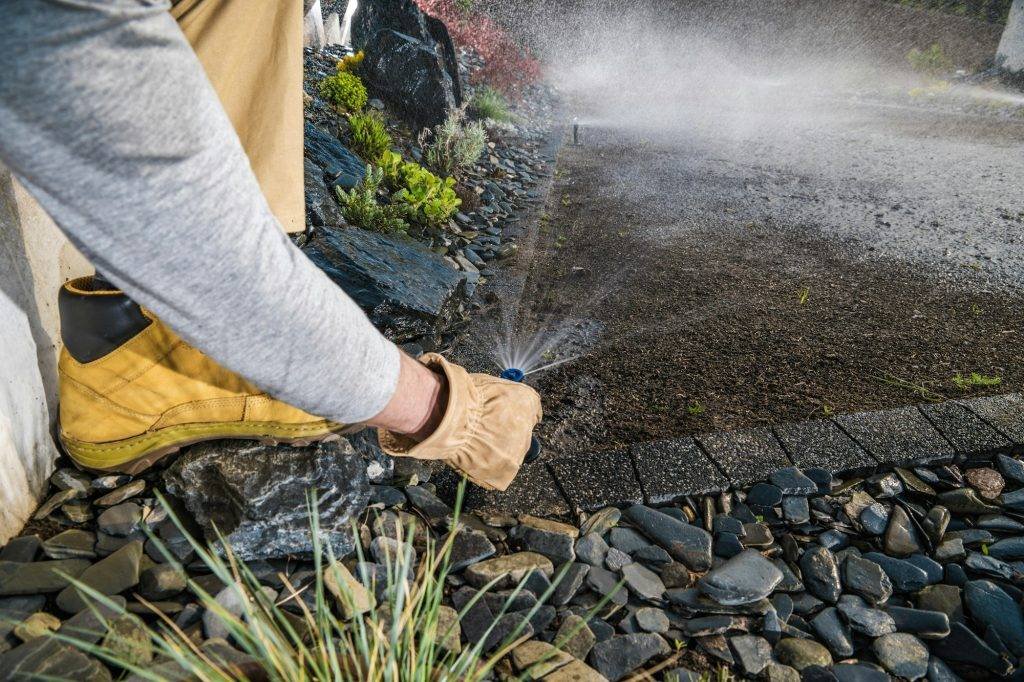
Using new soils and native plants enhances water filtration, reducing runoff into lakes and supporting biodiversity. This sustainable approach beautifies landscapes while maintaining environmental responsibility by using biofiltration to clean water from rainstorms.
Recycling Yard Waste Effectively
To recycle yard waste effectively, start by sorting it into greens and browns. Use leaves and grass as mulch or add to your compost bin. Alternate layers in the pile for efficient breakdown.
Avoid adding meats or oils, which attract pests and slow decomposition.
Energy-efficient Outdoor Lighting
In my landscape business, we prioritize energy-efficient LED outdoor lighting to save electricity and costs. Motion sensors enhance security without energy waste.
Preparing Your Soil for Spring
To prep soil for spring, test pH levels to gauge nutrient needs. Add compost to improve fertility and structure. Blend topsoil with compost for healthy growth. Cover soil to prevent moisture loss and erosion. Proper prep leads to a thriving garden in spring!
Winterizing Your Garden Sustainably
To winterize your garden sustainably, consult the local agricultural extension for frost timing. Remove sensitive bulbs before freezing, wrap in newspaper, and store in sand. Clear out debris to prevent diseases. Dispose of invasive plants correctly. Install windbreaks for conifers. Use eco-friendly materials like tree wrap tape for fruit trees.
Avoiding Chemicals in Weed Control
In my years tending gardens in New Jersey, I’ve learned to avoid chemicals for weed control. Instead, spreading a thick layer of mulch helps suppress weeds efficiently by blocking sunlight essential for their growth. Another method is hand-pulling weeds periodically; this gets rid of them before they can spread further or seed.
Using these techniques not only maintains clean garden beds but also nurtures a healthier environment free from harsh chemical residues that could harm local wildlife and water sources. By focusing on preventive measures like proper plant spacing and consistent bed maintenance, we manage weed issues effectively without relying on synthetic solutions.
Using Rain Barrels and Other Collectors
Rain barrels capture rainwater from your roof, diverting it for garden use rather than draining away. This simple system conserves water and reduces utility bills. I’ve set up several in NJ; they’re straightforward and effective.
They also attract eco-conscious homebuyers, enhancing property value while promoting sustainable living. Make sure to install a mesh cover to prevent debris and mosquitoes from entering the barrel. Regularly drain the stored water especially after rainfall to keep it fresh and functional.
Optimal Use of Shade Trees
Shade trees are key in sustainable landscaping. They reduce cooling costs by blocking sunlight, thus lowering energy use significantly. Proper placement around buildings enhances this effect.
Creating Wildlife Habitats at Home
In my years transforming landscapes here in NJ, I’ve learned that even small yards can become wildlife sanctuaries. Start by planting native species which provide essential food like nectar and seeds year-round. Don’t clear away all fallen leaves or cut back plant stalks in autumn; these offer vital winter nourishment for local birds.
Ensure access to clean water with a simple birdbath or butterfly puddling area placed near protective cover such as bushes. Establish varied layers of plant life — tall trees coupled with underbrush and groundcovers create ideal shelters where animals feel safe to feed and nest. To truly make a difference, consider arranging brush from pruned branches into piles offering refuge for smaller creatures.
If feasible, it’s beneficial to leave dead trees standing because they serve multiple purposes: perching spots for raptors, nesting cavities for squirrels and songbirds alike while also being a hub of decomposing activity feeding many insects.
Maintenance Schedule for Eco-gardens
In managing eco-gardens, monthly checks are essential to track plant health and soil moisture. Quarterly pruning keeps plants thriving while yearly mulching boosts nutrients.
Revitalizing Old Lawns Naturally
Revitalizing old lawns naturally involves aerating the soil to enhance nutrient absorption. Overseed with native grass seeds that require less water and fertilization.
Pros and Cons of Synthetic Turf
Synthetic turf saves water and avoids pesky burrowers but can feel less natural underfoot. It’s durable up to 25 years, yet its initial cost is high.
Enhancing Biodiversity with Permaculture
Permaculture enriches biodiversity by using native plants that attract and support local wildlife. These ecosystems are vital to maintaining balance in our environment. Through these techniques, I’ve helped increase the variety of songbirds visiting my clients’ properties here in New Jersey.
By integrating species-specific plantings and additions like birdbaths, we create thriving habitats for birds and other creatures right at home. This approach not only benefits nature but also brings immense joy to homeowners who can enjoy watching diverse wildlife just outside their windows.
Organic vs. Inorganic Mulch Comparison
Organic mulch, like leaves and tree bark, enriches soil with nutrients as it decomposes. Inorganic options last longer without maintenance but don’t nourish the soil.
Smart Technology in Landscape Design
Smart technology in landscape design uses sensors and weather data to optimize watering, cutting waste and conserving resources while enhancing garden functionality.
NJ’s Best Shrubs for Year-Round Color
In New Jersey, evergreens like blue spruces and wax myrtle provide lush color year-round. Berry-bearing shrubs such as holly attract wildlife seasonally. Various barks from maples to birches offer winter appeal with their unique textures and hues.
For more vivid year-long interest, incorporate foliage changes by planting beech or crabapple trees known for their striking leaves. During spring through fall, strategically place flowers that bloom sequentially ensuring constant garden vibrancy. Always select plants suited to your specific area’s conditions to cultivate a flourishing landscape.
Reduced Mower Emissions Techniques
I’ve implemented reduced mower emissions techniques by switching to electric and biodiesel-powered mowers. These tools cut grass effectively while significantly lowering pollution levels. Regular maintenance also enhances efficiency, reducing unnecessary fuel consumption further.
Step-by-Step Compost Bin Setup
Find a sunny, well-aired spot for your compost bin. Ensure it’s 2 feet from obstructions to enhance airflow and ease of access. Gather necessary materials and assemble the bin ensuring adequate ventilation.
Consider building one with repurposed wood or pallets sized around 1 cubic yard for optimal microbial activation through proper temperature regulation. Start filling up the newly set-up compost bin with organic matter such as garden waste or kitchen scraps like vegetables and fruits but avoid meat or dairy. Maintain a ratio of about two parts brown carbon-rich material (branches, dried leaves) to one part green nitrogen-rich items (kitchen refuse).
Ensure consistent moisture within your compost by watering at least weekly; this aids in maintaining healthy microbial activity essential for decomposition.
Handling Runoff with Green Infrastructure
In our green infrastructure approach, we install permeable pavers and rain gardens. These methods effectively manage water runoff by allowing it to seep naturally into the ground rather than flowing into storm drains. This process reduces the risk of flooding and protects local waterways from pollution.
These systems are designed not just for functionality but also enhance your property’s aesthetic value consistently contributing positively towards local biodiversity as more natural habitats are nurtured in urban settings through these installations.
References:
https://www.plantsolutionsnj.com/post/blog-transforming-your-property
https://sceniclandscaping.com/nj-landscaping-company-choosing-native-flora-for-sustainable-gardens/
https://www.terra-lawn-care.com/blog/benefits-of-organic-lawn-fertilizer/
https://www.saundersls.com/eco-friendly-lawn-care-how-to-maintain-your-lawn-sustainably/
https://www.davey.com/commercial-blog/benefits-of-installing-a-sustainable-landscape/
https://donaldsongreenhouse.com/water-wise-gardening-tips-for-june-conserving-water-in-your-new-jersey-garden/
https://www.northjersey.com/story/news/environment/2024/03/22/eco-friendly-yardwork-and-gardening-tips-for-your-home/73026632007/
https://www.njfuture.org/news/futurefacts/
https://nj1015.com/get-digging-spring-planting-guide-for-new-jersey/
https://discover.texasrealfood.com/urban-composting/nj/newark
https://voices.berkeley.edu/art-and-design/drought-tolerant-garden-design
https://www.btslandscaping.com/blog/tips-for-a-sustainable-landscape-design-and-eco-friendly-landscaping-in-the-madison-nj-area
https://dsldland.com/xeriscaping-sustainable-and-water-efficient-landscape-design/
https://www.customlandscapingandlawncare.com/effective-organic-pest-control-methods-for-central-new-jersey-landscapes
https://dirt.asla.org/
https://duda-sod.com/news/how-recycling-lawn-waste-will-improve-your-landscape/
https://www.hidefnj.com/post/landscape-lighting-nj-everything-you-need-to-know