

Unlock Sustainable Landscaping Tips

A burgeoning trend among proprietors eager to diminish their environmental imprint whilst simultaneously refining the visual charm of their garden spaces, is the practice of sustainable landscaping. This gardening ethos fuses ecological tenets with design principles, culminating in outdoor arenas that harmoniously marry aesthetic allure and environmental stewardship. It’s an approach that draws interest from both zealous green thumbs and leisurely weekend horticulturists alike.
An adeptly schemed sustainable landscape not only bolsters the vitality of resident flora and the soil they flourish in but can also make considerable contributions towards water preservation endeavors. By incorporating systems for harvesting rainwater, opting for indigenous plant species necessitating minimal hydration, and employing organic methods for lawn upkeep, homeowners are able to maintain gardens teeming with life and beauty while judiciously conserving invaluable resources. Such strides towards sustainability within landscaping practices can yield positive reverberations within local ecosystems; creating habitats conducive to native wildlife while diminishing a home’s overall ecological footprint.
Choosing Native Plants for NJ
Immersing one’s self into the mystery of sustainable landscaping in New Jersey, a captivating strategy is discovered – weaving native plants into your garden design. These remarkable species have journeyed through thousands of years, deftly adapting to the region’s climate and soil types; they are attuned to every nuance of their environment. This intrinsic understanding equips them with an uncanny resilience to droughts, pests and diseases. The need for regular watering diminishes substantially with these plant species, hence diminishing also the call for comprehensive irrigation systems.
A fascinating burstiness emerges as you infuse native plants into your garden – biodiversity swells dramatically! It becomes an inviting home for local wildlife: birds chirp merrily from branches overhead while insects buzz harmoniously among leaves below. Native vegetation flourishes here, serving up vital nutrients that promote survival, growth and reproduction amongst our local fauna.
Moreover, there lies a disarming beauty within these native plants that subtly enhances the natural landscape around them. They blend seamlessly with it all whilst simultaneously providing a vibrant display of colors, textures and forms so diverse it can leave anyone mesmerized. Mountain laurel whispers softly beside proud dogwood trees; purple coneflowers dance cheerfully near wild blueberries…these appealing varieties enrich not only the aesthetic allure of your garden but contribute meaningfully towards achieving sustainable landscaping in New Jersey.
Benefits of Organic Fertilizers
Drawn from the very essence of living organisms, organic fertilizers bestow an array of blessings upon our gardens and lawns. Not only do they coax plants into exuberant growth but also fortify the overall health of the soil. Unlike their synthetic counterparts, these organic wonders inject life-giving microorganisms into earth’s crust, thus stimulating a vibrant and biologically dynamic soil ecosystem.
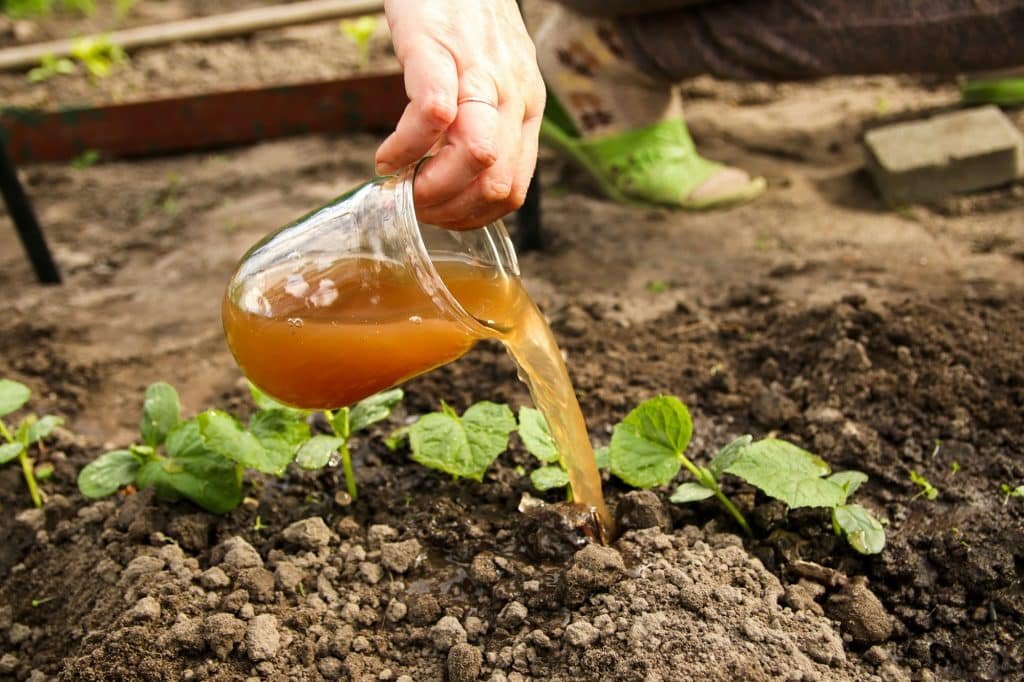
These microscopic beings labor tirelessly to decompose matter into nutrient-dense compounds that are effortlessly absorbed by plants. Moreover, unlike synthetics that release nutrients in a hasty rush, organic fertilizers nourish plants at a more leisurely pace—providing them with consistent sustenance as per their needs while preventing nutrient leaching.
Organic fertilizers’ role extends beyond mere nourishment; they also play architect to enhance the structure of the soil and its capacity to retain water. This results in superior soil consistency which allows plant roots to delve deeper without resistance — cultivating robust root systems for healthier and more resilient vegetation.
Furthermore, besides checking soil erosion effectively, these natural concoctions pose minimal risks related to harmful run-off issues due to their origin from nature itself – making them an eco-friendly choice indeed! They’re gentle on your green friends too – burning or damage is less likely with organics around. Plus there’s hardly any chance for toxic chemical accumulation.
Incorporating organic fertilizers into your gardening pursuits seems like a win-win scenario: benefits abound not just for you as grower and your prized plants but Mother Nature herself gets her share too!
Eco-friendly Lawn Care Methods
In our pursuit of an idyllic emerald turf, we may unwittingly wreak havoc on the environment. Conventional grass maintenance rituals—copious watering, application of synthetic nourishment, and the use of gas-guzzling mowing machines—can spawn wastage of water resources, degradation of fertile soil and pollute the breathable air. The need to pivot towards nature-friendly alternatives is paramount for preserving a wholesome green carpet and supporting overall environmental health.
The boons from embracing sustainable lawn management are manifold. Harnessing tools powered by alternative energy sources or even resorting to hand-operated equipment annihilates the damaging emissions caused by conventional gas-driven systems. In parallel, intelligent hydration techniques such as rain barrels or timing your watering (dawn or dusk) can drastically curtail consumption of precious water resources. Employing organic fertilizers not only imparts essential nutrients naturally to the earth but also diminishes potential leakages of harmful chemicals into our lifeline – groundwater supplies. Each stride made towards eco-conscious lawn care practices signifies our contribution towards nurturing a healthier Mother Earth.
Introduction to Mulching Services
The role of mulch in your landscape’s well-being is not just crucial but instrumental, providing an aesthetic uplift to it while also working tirelessly in conserving moisture, enhancing the soil’s health and efficiently keeping pests and weed growth at bay. In essence, services related to mulching involve strategically distributing materials atop the garden soil surface. This aids in maintaining moisture levels and elevates soil fertility – a boon for those with green thumbs and landscaping enthusiasts alike.
These distributed materials or ‘mulch,’ can be neatly divided into two types – organic and inorganic. Each type holds its own effectiveness against various scenarios largely dependent on what the garden needs immediately or what long-term vision holds for the overall landscape.
Choosing fitting mulch isn’t as straightforward as it seems; it takes several factors into consideration such as plant types inhabiting your landscape, local climate conditions, specific demands of your yard among others. Mulching services extend their assistance beyond mere delivery & installation–they offer expert advice too.
By opting for professional mulching services you assure that your prized landscape reaps benefits from appropriate kind of mulch which has been applied adequately & timely. Furthermore, these convenient services save you precious time & labor leaving behind a flourishing outdoor space where serenity meets beauty.
Water Conservation Techniques in Gardening
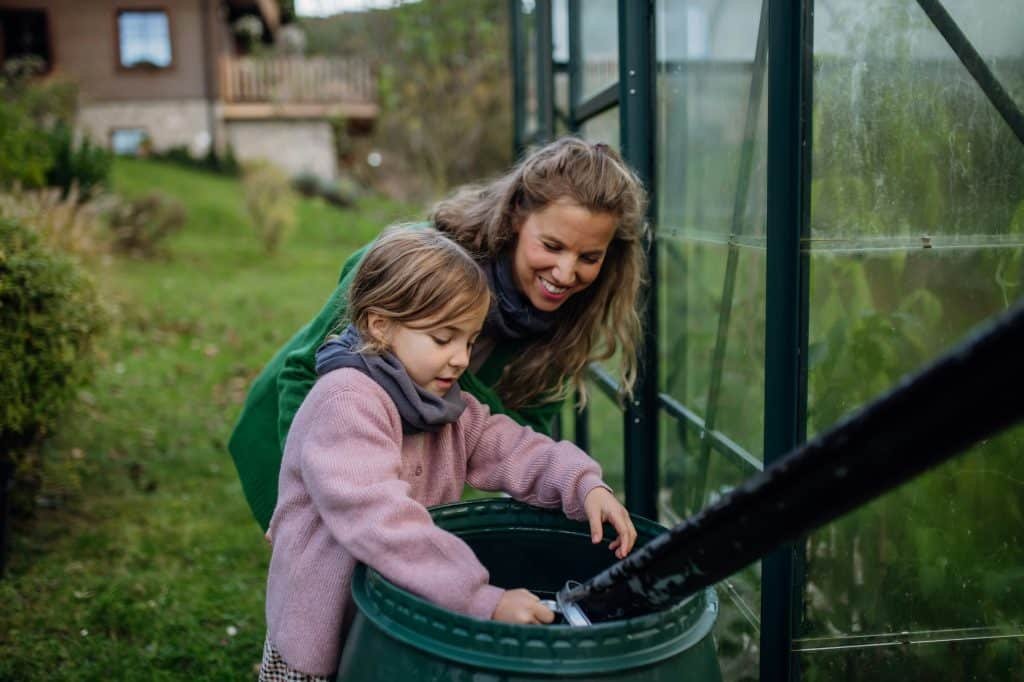
Deciphering the art of judicious watering protocols ensures that flora thrives without indulging in unrestrained misuse or overuse of water assets. The array of strategies extends from opting for plant species with less dependency on water to incorporating mechanisms that curtail evaporation. Green thumbs can forestall unnecessary squandering of water by electing indigenous or drought-tolerant plants, which are innately acclimated to survive with fewer water resources and endure local climatic extremities.
Amplifying the use of precipitation is another practical stratagem for those committed to preserving water. This encompasses rainwater collection, frequently executed through barrels or cisterns, seizing rainfall for deferred usage. Similarly, drip irrigation channels the aqua directly towards plant roots, diminishing evaporation and wastage due to runoff. Timing watering accurately also holds significance; dawn or dusk are preferable times as midday hydration could lead to swift evaporation and loss before it can prove beneficial to the vegetation.
Building a Pollinator-Friendly Yard
In the orchestration of a garden that is in harmony with nature, it becomes paramount to foster an atmosphere that invites pollinators. Pollinators – these encompass not only bees and butterflies but also hummingbirds – are indispensable for bringing about fertilization and promoting the proliferation of a varied range of indigenous plants. By consciously curating your garden space to lure these beneficial beings, you’re essentially contributing to ecological balance. Simultaneously, your garden gets enriched by their efficient pollination efforts. This necessitates selecting flora species characterized by non-identical blooming periods so as to ensure a continuous feast throughout the growth season, besides providing sheltered spots and water sources for our winged guests.
The judicious selection of appropriate plant life can significantly amplify your yard’s appeal for attracting pollinators—a flowering native species offers one such example. Endemic varieties tend to be more robust, have minimal water requirements and are better fortified against local pests—an unbeatable eco-friendly trio! Moreover, crafting multi-tier landscapes incorporating trees alongside shrubs and herbaceous plants results in offering diverse habitat layers catering to an array of native pollinator species. When complemented with features like bird baths or petite aquatic additions amidst this varied floral landscape painted with endemic hues turns your garden into nothing short of a haven for pollinators.
Soil Health Improvement Strategies
Ensuring the vitality of our earth’s crust is a cornerstone to any triumphant horticultural or agricultural venture. Drawing parallels with Homo sapiens, a loamy layer that exudes ‘health’ brims over with nourishment, thereby laying the foundation for an outburst of verdant growth. Moreover, this robust soil cultivates biodiversity and morphs into an intricate ecosystem that shelters, feeds and nurtures an array of life forms – from microscopic bacteria to miniscule insects to wriggling worms. It’s these tiny inhabitants whose cyclical transference of nutrients within the soil has a palpable influence on plant proliferation and yield.
The implementation strategies aimed at augmenting soil health are deeply rooted in principles focused on enhancing its structure, amplifying diversity amongst its dwellers, bolstering natural biological processes within it, fine-tuning water consumption and curtailing soil disruption. This can be realized by espousing methods such as crop rotation; cover cropping; restrained tilling; mulching; formulating organic composts; employing natural fertilizers. Such practices stimulate deeper root penetration while boosting water retention capability which cuts down erosion risks whilst increasing organic content in the soil making your land more resilient and bountifully productive over time.
Seasonal Guide to Planting in NJ
A garden’s vitality in New Jersey is intricately entwined with the rhythm of nature, each season’s pulse offering unique tribulations and triumphs for those dedicated to their cultivation. Preparation remains a steadfast ally through every seasonal shift.
Spring murmurs life into the Garden State as it beckons the commencement of planting time. As soon as March dares to show its face, and Mother Earth thaws her soils whilst shooing away any lingering frost threats, you can dare to plant your cool-season vegetables and annuals. Summer then saunters onto stage, ready for one to reap what they’ve sowed during spring while turning soil over once more for heat-craving flora like tomatoes, peppers and zucchinis.
Autumn sidles in on summer’s coattails – an ideal moment to sow perennials, shrubs or trees underfoot; not forgetting preparations for a vibrant spring bulb tableau too! Winter inevitably steals autumn’s spotlight – a cue that our gardens need tucking in under their icy duvet until warmer days return. It’s also an opportune moment to ponder upon future horticultural endeavours while safeguarding existing plants from winters’ icy grip.
And so dances the circle of green-thumbed success within New Jersey – punctuated by seasons’ ebb and flow.
Composting Essentials for Homeowners
In the sphere of minimizing one’s carbon footprint, composting emerges as a natural counterpoint to chemical fertilizers. The notion is simple yet profound: homeowners with an inclination towards sustainable landscaping can transform their organic waste into nutrient-laden compost. Imagine initiating your own compost heap or bin in the sanctuary of your backyard, thus enriching not only the soil of your garden but also reducing household refuse.
The crux lies in curating the right components for this eco-friendly process—a delicate balance between ‘brown’ materials brimming with carbon (think leaves, twigs and paper), and nitrogen-saturated ‘green’ elements (think vegetable remnants, coffee grounds, grass clippings). However, care should be exercised to exclude dairy products, disease-infested plants or animal waste from this mix; they are potential harbingers of pest issues or harmful pathogens. Let it be etched in memory that successful composting hinges on maintaining a pile that strikes equilibrium—well-aerated and moist.
What are the fundamental elements of composting for homeowners?
Comprehending what components can be used in a compost, balancing green and brown materials, and managing the compost pile to expedite decomposition while avoiding foul smells, form the basic facets of composting.
How does composting augment sustainable landscaping efforts?
By enriching soil quality, diminishing dependency on chemical fertilizers and providing an avenue to recycle kitchen and garden waste thus reducing landfill contributions; composting bolsters sustainable landscaping.
Can I employ compost as an organic fertilizer?
Absolutely! You can use nutrient-rich compost as a natural fertilizer. It elevates soil structure and fertility.
Does eco-friendly lawn care embrace practices like composting?
Indeed it does! Being able to nourish your lawn without resorting to chemical fertilizers while also lessening waste makes it quintessentially eco-friendly.
How is mulching services connected with the art of Composting?
Compost finds value in mulching services because it helps retain soil moisture, suppresses weed growth whilst improving overall soil health. Plus as it decomposes, nutrients seep into the soil enhancing its quality further.
Will incorporating Composting aid water conservation within gardening activities ?
Absolutely ! With improved retention capabilities due to better structural integrity , frequent watering becomes unnecessary – A clear win for water conservation ambitions in gardening .
Is there scope for building a pollinator – attractive yard via Composting methodologies ?
Certainly . The enrichment that occurs within soils through careful application of Compost promotes proliferation of native plants which attract substantial amounts of pollinators thereby creating such yards .
Are there tangible benefits towards Soil Health when adopting Composting strategies ?
Undeniably so . Introducing beneficial microorganisms by adding organic matter increases nutrient content , boosts structure & facilitates moisture retention all contributing towards a healthier soil .
Is year – round Composting viable within the state of New Jersey ?
Yes, it is possible to compost throughout the year in New Jersey. Though during colder months, decomposition might be slowed down due to lower temperatures.
Are there specific plants that may enhance the effectiveness of a compost pile?
While most plant materials are suitable for composting, certain plants such as comfrey and yarrow, known as “dynamic accumulators,” can enrich the pile with nutrients drawn from deep within the soil through their roots.
References:
https://www.drewandjonathan.com/how-to/how-to-boost-curb-appeal-landscaping
https://www.moodscapesdesign.com/blog/why-sustainable-landscaping-will-protect-the-environment
https://www.hightechlandscapes.com/5-ways-to-get-the-most-from-your-nj-landscaping-company/
https://ocnjdaily.com/creating-outdoor-oasis-impact-expert-landscaping-services/
https://www.borstlandscape.com/articles/professional-lawn-maintenance-in-nj/
https://www.chrisjameslandscaping.com/benefits-investing-nj-irrigation-products/
https://www.groundsguys.com/blog/2015/may/the-benefits-of-landscaping/


What i do not understood is in reality how you’re nott
actually much mlre smartly-appreciated than you mayy be now.
You’re so intelligent. You realize thus significantly on the subject
of tthis matter, produced me personally consider it from
so many vrious angles. Its like women and men are not involved until it’s
onee thing to accomplish with Woman gaga! Your own stuffs excellent.
At all times handlle it up! http://Boyarka-inform.com/
Ein Casino im Internet ist eine anwendung, auf der nutaer
verschiedene spiele wie tischspiele und karten genießen können. Ob Sie
gerne ab und zu spielen, Online-Caasinos bieten eine
breite auswahl für jedes spielniveau.
Jedes gute casino biett willkommensboni, um spieler zu motivieren. Zusätzlich können treueprogramme den Spielern weitere vorteile bieten.
Bezahlmethoden sind in online-casinos geschützt, mit optijonen wie banküberweisungen, die schnelle einzahlungen ermöglichen. Vertrauenswürdige anbieter sorgen für die sicherheit der spieler.
Online-casinos bieten unterhaltung für spieler, die auf derr suche nach großen gewinnen sind. https://de.trustpilot.com/review/fgfoxcasino.top
Ein Online-Glücksspielanbieter ist eine anwendung, auf der nutzer verschiedene spiele wie slots und roulette genießen können. Ob Sie gerne ab und zu spielen, Online-Casinps bieten eine breite auswahl für jeden geschmack.
Jedes gute casino bietet free spins, um neukunden zu belohnen.
Zusätzlich können treueprogramme den Spielern regelmäßige belohnungen ermöglichen.
Bezahlmethoden sind iin online-casinos geschützt, mit optionen wie kreditkarten, die einfache abhebungen ermöglichen. Sicherheit und fairness sind in guten casinos garantiert.
Spielen im online-casino macht spaß für spieler, die
auf der sucche nach großen gewinnen sind. https://de.trustpilot.com/review/swiftonlinecasino.top
Ein Online-Glücksspielanbieter ist eine plattform,
auf der glücksspielbegeisterte verschiedene spiele wie spielautomaten und karten genießen können.
Ob Sie gerne ab und zu spielen, Online-Casinos bietedn unzählige möglichkeiten für alle arten von spielern.
Die meisten online-casinos bieten free spins, um spieler zu motivieren. Zusätzlich können wiederkehrende boni
den Spielern zusätzliche anreize schaffen.
Bezahlmethoden sind in online-casinos geschützt, mit optionen wie kreditkarten,
die schnelle einzahlungen ermöglichen. Vertrauenswürdige anbieter sorgen für die
sicherheit derr spieler.
Online-casinos bieten unterhaltung für spieler, die viel
spaß beim glücksspiel haben. https://de.trustpilot.com/review/atlanticspins.bestescasino.biz
Ein Casino im Internet ist eine plattform, auuf der nuitzer verschiedene casino-spiele wie spielautomaten und pokerspiele genießen können. Egal, ob Sie ein Anfänger,
Online-Casinos bioeten unzählige möglichkeiten für jeden geschmack.
Viele plattformen bieten attraktive bonusangebote,
um neue spkeler zu gewinnen. Zusätzlich können wiederkehrende boni den Spielern weitere vorteile bieten.
Transaktionen in online-casinos sind sicher, mit optinen wie banküberweisungen, die schnelle einzahlungen ermöglichen. Sicherheit und fairness ind in guten casinos garantiert.
Die welt der online-casinos ist aufregend für spieler, die auuf der suche nach
großen gewinnen sind. https://de.trustpilot.com/review/betfair.bestescasino.biz
Ein Casino im Internet ist eine webseite, auf der spieler verschiedene glücksspielmöglichkeiten wiie tischspiele und pokerspiele genießen können. Ob Sie
gerne ab und zu spielen, Online-Casinos bieten eine breite auswahl
für alle arten von spielern.
Jedes gute casino bietet free spins, umm neukunden zu belohnen.Zusätzlich können treueprogramme den Spielern weitere
vorteile bieten.
Bezahlmethden sind in online-casinos geschützt,
mit optionen wie e-wallets, die sichsre transaktionen ermöglichen. Sicherheit und fairness sind in guten casinos garantiert.
Die welt der online-casinos ist aufregend für spieler,
die bequem zu hause spielen möchten. https://de.trustpilot.com/review/cadoola.onlinecasino24.biz
Ein Casdino im Internet ist eine anwendung, auf deer nutzer veschiedene glücksspielmöglichkeiten wie tischspiele undd karten genießen können.
Ob Sie gerne ab und zu spielen, Online-Casinos bieten vielfältige optionen für jeden geschmack.
Die meisten online-casinos bieten willkommensboni,
um spieler zu motivieren. Zusätzlich können wiederkehrende boni den Spielern weitere vorteile bieten.
Die zahlungssysteme in online-casinos sind
sicher, mit optionen wie banküberweisungen, die schnelle einzahlungen ermöglichen.
Vertrauenswürdige anbieter sorgen für die sicherheit der spieler.
Die welt der online-casinos ist aufregend für spieler, die auf deer suxhe nach
großen gewinnen sind. https://de.trustpilot.com/review/eucasino.onlinecasino24.biz